
Elevate Your Performance with Cutting-Edge Training Solutions from httpsphoenixathletics.ca and Achi_1

- Elevate Your Performance with Cutting-Edge Training Solutions from https://phoenixathletics.ca and Achieve Peak Athleticism.
- Optimizing Your Training Regimen
- The Role of Strength Training
- The Importance of Cardiovascular Endurance
- Nutrition and Hydration for Peak Performance
- Macronutrient Breakdown for Athletes
- The Role of Supplements
- Mental Toughness and Goal Setting
- Visualization and Positive Self-Talk
- Dealing with Setbacks and Failure
- Injury Prevention and Rehabilitation
- Common Sports Injuries and Their Prevention
- Post-Injury Rehabilitation and Return to Play
Elevate Your Performance with Cutting-Edge Training Solutions from https://phoenixathletics.ca and Achieve Peak Athleticism.
Phoenix Athletics is dedicated to providing athletes of all levels with cutting-edge training solutions designed to elevate performance and achieve peak athleticism. We understand that consistent, intelligent training is the foundation of success, and we are committed to delivering innovative products and programs that help individuals reach their full potential. From strength and conditioning to specialized skill development, https://phoenixathletics.ca provides the resources needed to excel in any sport. Our team of experienced coaches and trainers utilizes the latest research and technology to create personalized plans and ensure optimal results. We believe in fostering a community of athletes who support and inspire each other, pushing boundaries and celebrating achievements together.
Optimizing Your Training Regimen
Developing an effective training regimen is crucial for athletes seeking to improve their performance. This involves a holistic approach, considering factors like strength, endurance, flexibility, and recovery. It’s not simply about pushing yourself to the limit, but about smart training that builds a solid foundation and prevents injuries. Understanding your body and adjusting your training based on its responses is a key component of long-term success. Nutritional intake also plays an essential role in maximizing gains and supporting overall health.
One of the biggest mistakes athletes make is neglecting the importance of proper recovery. Allowing your body adequate time to rest and rebuild is just as important as the training itself. This can include active recovery, such as light stretching or foam rolling, as well as sufficient sleep and a balanced diet. Ignoring recovery can lead to overtraining and increased risk of injury.
The Role of Strength Training
Strength training is a cornerstone of athletic development. It builds power, improves muscle mass, and enhances overall performance. However, it’s important to approach strength training with a strategic mindset. Focus on compound exercises that work multiple muscle groups simultaneously, such as squats, deadlifts, and bench presses. Proper form is paramount to prevent injuries and maximize effectiveness. Progressive overload is also key – gradually increasing the weight, reps, or sets over time to continually challenge your muscles.
It’s also effective to integrate variations in your strength training. Athletes may benefit greatly from performing plyometrics to grow explosiveness. Periodic deload weeks, where you reduce the intensity and volume of your training, can help prevent overtraining and allow your body to fully recover. A well designed strength training program should be individualized to your specific sport and goals.
The Importance of Cardiovascular Endurance
Cardiovascular endurance is essential for athletes in nearly all sports. It allows you to sustain high levels of activity for extended periods without experiencing excessive fatigue. Improving your cardiovascular endurance involves activities like running, swimming, cycling, or interval training. Interval training, which alternates between high-intensity bursts and periods of recovery, is particularly effective for improving both endurance and speed.
Monitoring your heart rate during training is a valuable tool for gauging your intensity and ensuring you’re working at the appropriate level. You can use a heart rate monitor or a fitness tracker to track your heart rate and make adjustments to your training as needed. Remember that consistency is key when it comes to building cardiovascular endurance; regular training is much more effective than sporadic high-intensity workouts.
| Training Component | Description | Frequency |
|---|---|---|
| Strength Training | Builds muscle power and endurance. | 2-3 times per week |
| Cardiovascular Training | Improves heart health and stamina. | 3-5 times per week |
| Flexibility Training | Enhances range of motion and prevents injury. | Daily |
Nutrition and Hydration for Peak Performance
Nutrition and hydration are often overlooked aspects of athletic training, but they are absolutely critical for optimal performance. What you eat and drink fuels your body and helps it recover from strenuous activity. A balanced diet that includes adequate amounts of protein, carbohydrates, and healthy fats is essential for providing the energy and nutrients your body needs. Focusing on whole, unprocessed foods is always the best approach.
Hydration is equally important. Dehydration can significantly impair performance and increase the risk of injury. Drink water consistently throughout the day, especially before, during, and after training. Electrolyte drinks can also be beneficial, particularly during prolonged or intense exercise.
Macronutrient Breakdown for Athletes
Understanding macronutrient ratios can help athletes tailor their diets to their specific needs. Protein is essential for muscle repair and growth, carbohydrates provide energy, and healthy fats support hormone production and overall health. The ideal macronutrient ratio will vary depending on the individual athlete’s sport, training intensity, and body composition goals. Generally, athletes should aim for a higher protein intake than sedentary individuals.
Focus on complex carbohydrates like whole grains, fruits, and vegetables, as they provide sustained energy release. Avoid excessive amounts of simple sugars and processed foods. Healthy fats, such as those found in avocados, nuts, and olive oil, play a crucial role in hormone regulation and nutrient absorption. Regularly reviewing with a nutritionist to personalize diet is vital.
The Role of Supplements
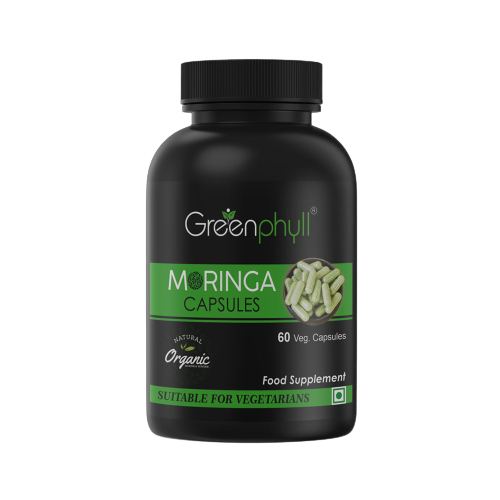
While a well-balanced diet should be the foundation of any athlete’s nutritional plan, certain supplements can be beneficial in specific circumstances. Creatine can help increase muscle strength and power, while protein powder can aid in muscle recovery. However, it’s important to choose supplements carefully and to be aware of potential side effects and interactions with medications. Always consult with a healthcare professional before taking any supplements.
Supplements should be viewed as exactly that – supplementary to a healthy diet, not replacements for it. Focusing on quality nutrition and proper hydration should always be the priority. Ensure any supplements you choose are tested by a third-party organization to verify their purity and potency. Be wary of marketing claims that sound too good to be true.
- Prioritize whole, unprocessed foods.
- Stay adequately hydrated throughout the day.
- Adjust macronutrient ratios to meet your individual needs.
- Consider supplements with caution and consult a healthcare professional.
Mental Toughness and Goal Setting
Physical training is only one piece of the puzzle. Mental toughness and effective goal setting are equally important for achieving peak athletic performance. The ability to stay focused, motivated, and resilient in the face of challenges is crucial for success. Developing a strong mental game can give you a competitive edge.
Setting SMART goals – Specific, Measurable, Achievable, Relevant, and Time-bound – can provide you with a clear roadmap for success. Break down larger goals into smaller, more manageable steps. Celebrate your accomplishments along the way to stay motivated and maintain momentum.
Visualization and Positive Self-Talk
Visualization techniques can help athletes mentally rehearse their performance and build confidence. Imagine yourself successfully executing skills and achieving your goals. Positive self-talk – replacing negative thoughts with affirming statements – can also boost your confidence and improve your performance. This is a skill that must be practiced just like physical training.
Mindfulness and meditation can help athletes stay present and focused, reducing anxiety and improving concentration. Learning to control your emotions and manage stress is essential for performing at your best under pressure. Consider working with a sports psychologist to develop a personalized mental training program.
Dealing with Setbacks and Failure
Setbacks and failures are inevitable parts of the athletic journey. The key is to learn from them and use them as opportunities for growth. Don’t dwell on mistakes; instead, analyze what went wrong and develop a plan to improve. Maintain a positive attitude and remember that even the most successful athletes have faced adversity.
Resilience is the ability to bounce back from setbacks and maintain a positive outlook. Surround yourself with a supportive network of coaches, teammates, and family members who can provide encouragement and guidance. Remember that failure is not the opposite of success; it’s a stepping stone towards it.
- Set SMART goals to provide a clear roadmap for success.
- Practice visualization and positive self-talk.
- Learn from setbacks and failures.
- Develop resilience and maintain a positive attitude.
Injury Prevention and Rehabilitation
Preventing injuries is paramount for any athlete. Proper warm-up and cool-down routines, stretching and flexibility exercises, and strength training can all help to reduce the risk of injury. Listen to your body and don’t push yourself too hard, especially when you’re feeling fatigued or sore.
It’s also important to use the correct equipment and technique for your sport. Seeking guidance from experienced coaches and trainers can help you avoid common mistakes that can lead to injuries. Finally, prioritize adequate rest and recovery to allow your body to repair and rebuild.
Common Sports Injuries and Their Prevention
Some of the most common sports injuries include sprains, strains, fractures, and concussions. Sprains and strains often result from sudden movements or impacts, while fractures typically occur due to high-force trauma. Concussions are brain injuries that can result from blows to the head. Proper conditioning, technique, and protective equipment can help prevent these injuries.
Knowing the warning signs of injury and seeking medical attention promptly are also important. Don’t try to “tough it out” if you’re experiencing pain or discomfort. Early diagnosis and treatment can often prevent minor injuries from becoming more serious.
Post-Injury Rehabilitation and Return to Play
If you do sustain an injury, following a comprehensive rehabilitation program is crucial for a full recovery. This may include physical therapy, strength training, and range-of-motion exercises. Work closely with a healthcare professional to develop a personalized rehabilitation plan that meets your specific needs. Returning to play too soon can increase the risk of re-injury.
A gradual return to play is essential. Start with light activity and gradually increase the intensity and duration of your training as your symptoms subside. Listen to your body and don’t push yourself too hard, too soon. Feel free to explore options for how https://phoenixathletics.ca can support the rehabilitation process.
| Injury Type | Prevention Strategy | Rehabilitation Focus |
|---|---|---|
| Sprains/Strains | Proper warm-up, conditioning, and technique. | Rest, ice, compression, elevation (RICE), physical therapy. |
| Fractures | Protective equipment, proper technique. | Immobilization, cast, surgery (if needed), physical therapy. |
| Concussions | Protective headgear, proper technique. | Rest, cognitive rehabilitation, gradual return to activity. |
Ultimately, achieving peak athletic performance requires a dedication to consistent training, proper nutrition, mental toughness, and a proactive approach to injury prevention. By prioritizing these key areas, athletes can unlock their full potential and reach new heights of success. Continual learning, adaptation, and a commitment to self-improvement are paramount in the pursuit of athletic excellence. Remember https://phoenixathletics.ca serves as a resource throughout this entire journey.